
Hope Church
Story & Beliefs
Our Story
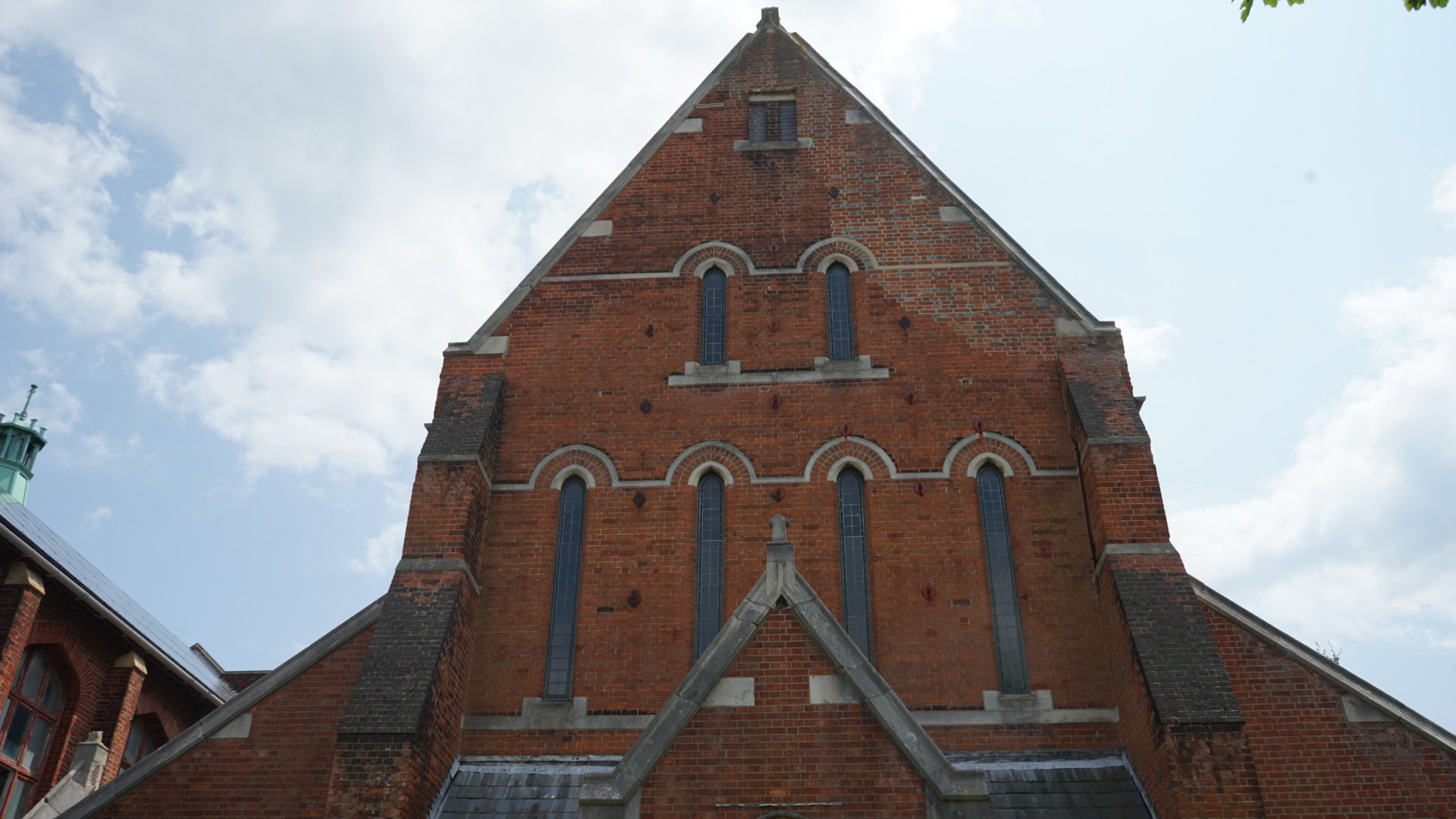
Hope Church is part of the Assemblies of God movement, with roots stretching back to the early Pentecostal movement in the UK. The church began in 1901 as a small prayer gathering in a home, later becoming Hebron Pentecostal Fellowship, one of the first Pentecostal assemblies in Portsmouth. Over the decades, the church moved locations and evolved in name and mission, becoming King’s Church as it focused on serving the Somerstown community through outreach, children’s ministries, and practical support such as launching the city’s first foodbank. In 2014, the church made its home in St Peter’s Church, continuing a long legacy of ministry in the area.
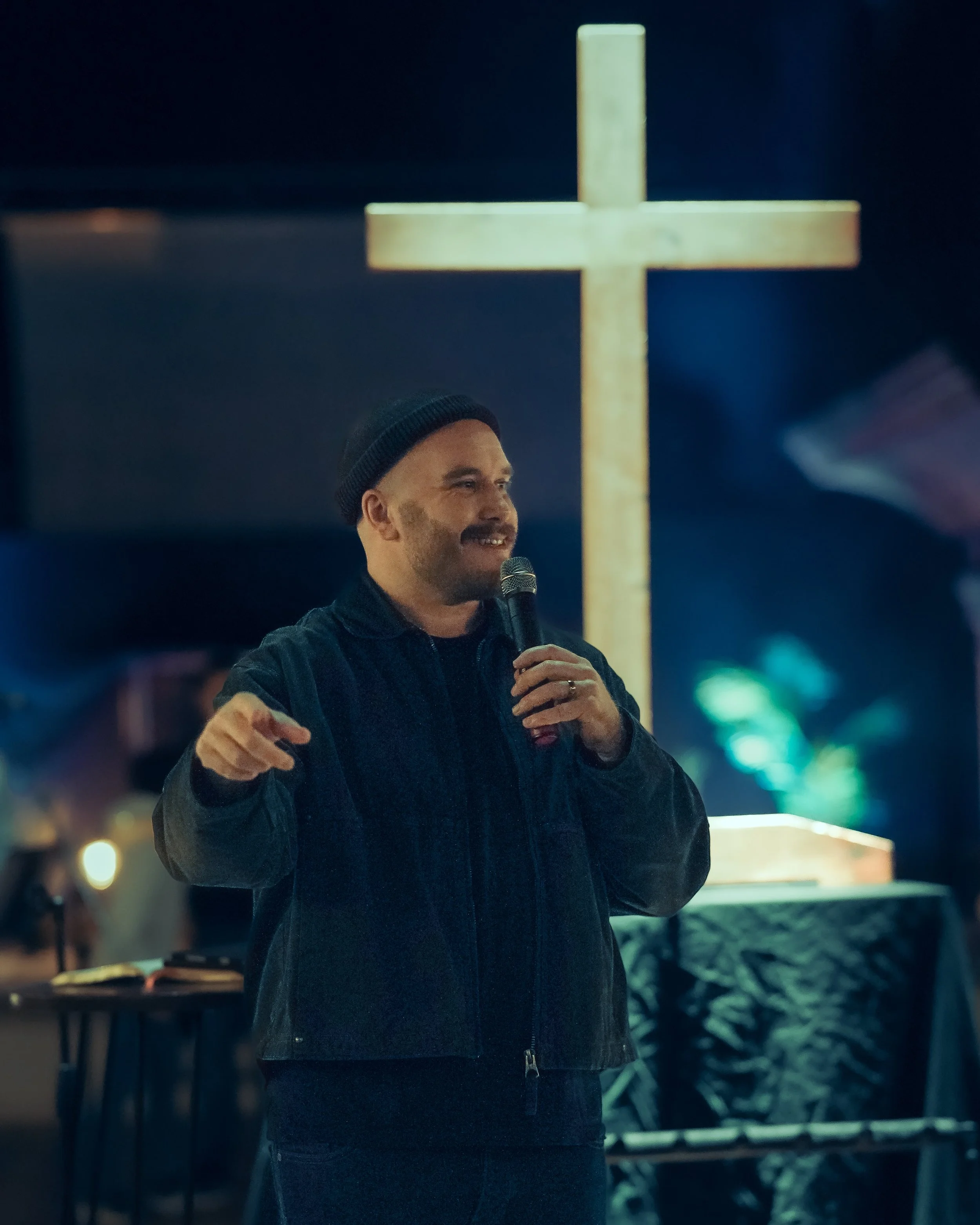
In 2024, Josh Binstead was commissioned as Lead Pastor alongside a new team of Elders. In 2025, the church was renamed Hope Church, marking a new chapter while building on its rich heritage. Today, Hope Church remains committed to its Pentecostal foundations as an Assemblies of God church, with a vision to serve its community and follow where the Spirit is leading.
Vision & Mission
Vision
Our Vision communicates why we exist as a church:
We exist To Know and Make Known the Restorative Love of Jesus
At Hope Church, we are passionate about people encountering the greatness and power of God in a life-changing way. Our vision is to play our part in seeing a revival of faith in Jesus Christ, celebrating the ongoing work of God’s love, grace, and miracles as living realities, not just ancient stories. We strive to be a vibrant, Spirit-filled community where the presence of the Holy Spirit brings hope and renewal. Inspired by Romans 15:13, we want everyone to "overflow with hope by the power of the Holy Spirit," believing that this generation will see, experience, and share the active work of God in their lives and the restoration of the communities in which we live and work.
Mission
Our mission at Hope Church is threefold: Presence, Transformation, and Mission
Prioritising the Presence of God
We are seeking to continuously prioritise the presence and power of God to move in Portsmouth through a culture of prayer and worship. We do this intentionally by creating opportunities to be with Jesus throughout the week and on Sundays.
Being Transformed into the Likeness of Jesus
We want to learn how to walk daily in the way of Jesus, growing our faith and being strengthened through living life in community. Over time, we want to become like Jesus, living out His ways and following His calling on our lives.
Empowered by the Holy Spirit into Mission
We are seeking to partner with God to see lives restored and for the Father’s kingdom to come here, in Portsmouth, as it is in heaven. Empowered by the Holy Spirit, we want to do what Jesus did, walking alongside each other, to see the spiritual and social landscape of Portsmouth transformed.
Our Convictions
Hope Church is part of the historic church Jesus built with his disciples, by the power of his Spirit. We hold to the historic teachings of Christian orthodoxy as articulated in the Apostles Creed and the Nicene Creed, and subscribe to beliefs of the Assemblies of God GB.
-
The word ‘creed’ comes from the Latin word credo, meaning ‘I believe and trust.’
Two creeds in particular were developed in the early centuries of the Church, which have remained important to the Church. These two are the Apostles’ Creed, and the Nicene Creed.
These creeds have united Jesus’ church for centuries around orthodoxy and the simplicity of what followers of Jesus have agreed on throughout the history of the Church.
Important note: The word “Catholic” means ‘universal’ and is referring to all Christians. It is clearly distinct from the Roman Catholic Church.
-
I believe in God, the Father almighty,
creator of heaven and earth.
I believe in Jesus Christ, his only Son, our Lord,
who was conceived by the Holy Spirit,
born of the Virgin Mary,
suffered under Pontius Pilate,
was crucified, died, and was buried;
he descended to the dead.
On the third day he rose again;
he ascended into heaven,
he is seated at the right hand of the Father,
and he will come to judge the living and the dead.
I believe in the Holy Spirit,
the holy catholic Church,
the communion of saints,
the forgiveness of sins,
the resurrection of the body,
and the life everlasting.
Amen. -
We believe in one God,
the Father, the Almighty,
maker of heaven and earth,
of all that is,
seen and unseen.
We believe in one Lord, Jesus Christ,
the only Son of God,
eternally begotten of the Father,
God from God, Light from Light,
true God from true God,
begotten, not made,
of one Being with the Father;
through him all things were made.
For us and for our salvation he came down from heaven,
was incarnate from the Holy Spirit and the Virgin Mary
and was made man.
For our sake he was crucified under Pontius Pilate;
he suffered death and was buried.
On the third day he rose again
in accordance with the Scriptures;
he ascended into heaven
and is seated at the right hand of the Father.
He will come again in glory to judge the living and the dead,
and his kingdom will have no end.
We believe in the Holy Spirit,
the Lord, the giver of life,
who proceeds from the Father and the Son,
who with the Father and the Son is worshipped and glorified,
who has spoken through the prophets.
We believe in one holy catholic and apostolic Church.
We acknowledge one baptism for the forgiveness of sins.
We look for the resurrection of the dead,
and the life of the world to come.
Amen.
-
The BIBLE is the Word of God.
“All Scripture is inspired by God and is useful to teach us what is true and to make us realise what is wrong in our lives. It straightens us out and teaches us to do what is right.” 2 Timothy 3:16 NLT
“This is why we constantly thank God, because when you received the word of God that you heard from us, you welcomed it not as a human message, but as it truly is, the word of God, which also works effectively in you who believe.” 1 Thessalonians 2:13
God’s Word is the only completely reliable and truthful authority and we accept the Bible as our manual for living. Our first question when faced with a decision is, “What does the Bible say?” We practise regular Bible reading and study.
The Bible is the basis for all we believe.
-
JESUS CHRIST is the Son of God - Fully God, Fully Human.
“who [Jesus], existing in the form of God, did not consider equality with God as something to be exploited.” Philippians 2:6
“Jesus told him, “I am the way, the truth and the life. No one comes to the Father except through me.” John 14:6
“This Jesus is the stone rejected by you builders, which has become the cornerstone. There is salvation in no one else, for there is no other name under heaven given to people by which we must be saved.” Acts 4:11-12
Jesus Christ, the second Person of the Trinity, lived a sinless life on earth and voluntarily paid for our sins by dying on the cross as our substitute. This accomplished salvation for all who receive grace by trusting in Him alone. He rose from the dead and is the only mediator between God and us. He baptises believers in the Holy Spirit and will return to earth to consummate history.
-
We must be BORN AGAIN.
“Therefore, if anyone is in Christ, he is a new creation; the old has passed away, and see, the new has come!.” 2 Corinthians 5:17
“Jesus: “For whoever wants to save his life will lose it, but whoever loses his life because of me will find it.” Matthew 16:25
God created humans to have fellowship with Him, but they defied God by sinfully going their own way. As a result, we need God’s saving grace to end our alienation from Him. Salvation comes only through God’s grace - not human effort - and must be received personally by repentance and faith. At the end, everyone will experience bodily resurrection and judgement. Only believers will enjoy eternal fellowship with God.
-
Believers can be SPIRIT LED and SPIRIT FILLED.
“...you will receive power when the Holy Spirit has come on you...” Acts 1:8
“...be filled by the Spirit” Ephesians 5:18
“If you then, who are evil, know how to give good gifts to your children, how much more will the heavenly Father give the Holy Spirit to those who ask him?” Luke 11:13
We believe the only way possible to live the Christian life is by God’s power within us. Every believer can be filled with the Holy Spirit by simply asking. We seek to practise a daily dependence on God’s Spirit to enable us to do what is right.
-
1. In essential beliefs, we have unity.
“There is one body and one Spirit… one Lord, one faith, one baptism, and one God and Father of all…” Ephesians 4:4-6
“How good and pleasant it is when God’s people live together in unity!" Psalm 133:1 NIV
2. In non-essential beliefs, we have liberty.
“Welcome anyone who is weak in faith, but don’t argue about disputed matters...Who are you to judge another’s household servant? Before his own Lord he stands or falls...So then, each of us will give an account of himself to God...Whatever you believe about these things, keep between yourself and God.” Romans 14:1, 4, 12, 22
3. In all our beliefs, we show love.
“...if I have the gift of prophecy and understand all mysteries and all knowledge, and if I have all faith so that I can move mountains but do not have love, I am nothing.” 1 Corinthians 13:2
We live in a time in which truth is highly contested and in order to maintain gospel unity we heed the words of the apostle Paul when he says“avoid foolish debates, genealogies, quarrels, and disputes about the law, because they are unprofitable and worthless” (Titus 3:9) but also know to “Reject a divisive person after a first and second warning” (Titus 3:10).
-
DIE FOR
This category highlights the essential foundations of the Christian faith, including the authority of Scripture, the Trinity, the incarnation and resurrection of Jesus, and justification by grace through faith. It warns against compromising these truths for the sake of unity, rejecting progressive views like universalism. True unity is based on these non-negotiable doctrines.DIVIDE FOR
Christians may divide over foundational issues like God’s sovereignty, baptism, ministry roles, and worship styles while still affirming unity in essentials. Such divisions are acceptable if they focus on key matters and don’t hinder worship or mission. By recognizing these as “divide for” rather than “die for” issues, believers can pray for each other and cooperate in issues of Christian life, justice ministry, and evangelism.DEBATE FOR
Churches often debate issues like leadership roles, ministry focus, and worship styles while maintaining unity. We must keep “debate fors” from escalating into “divide fors.” We each have a role to play in focussing on the essentials and preventing debates from causing division, following the example in Acts 15 of open discussion and compromise on secondary matters.DECIDE FOR
Romans 14-15 advises acceptance on non-essential matters, warning against legalism and divisive controversies. Paul urges believers not to judge one another over such issues but to pursue peace and mutual growth (Rom. 14:19). Note well, this accepting attitude applies only in the non-essentials, however, on essential matters, like core Christian beliefs, Paul strongly debated (Acts 15:2).
Beliefs
-
Our team of Elders are women and men serving together to oversee the spiritual wellbeing of the church, praying for, and discerning vision for how the church should be spiritually guided
-
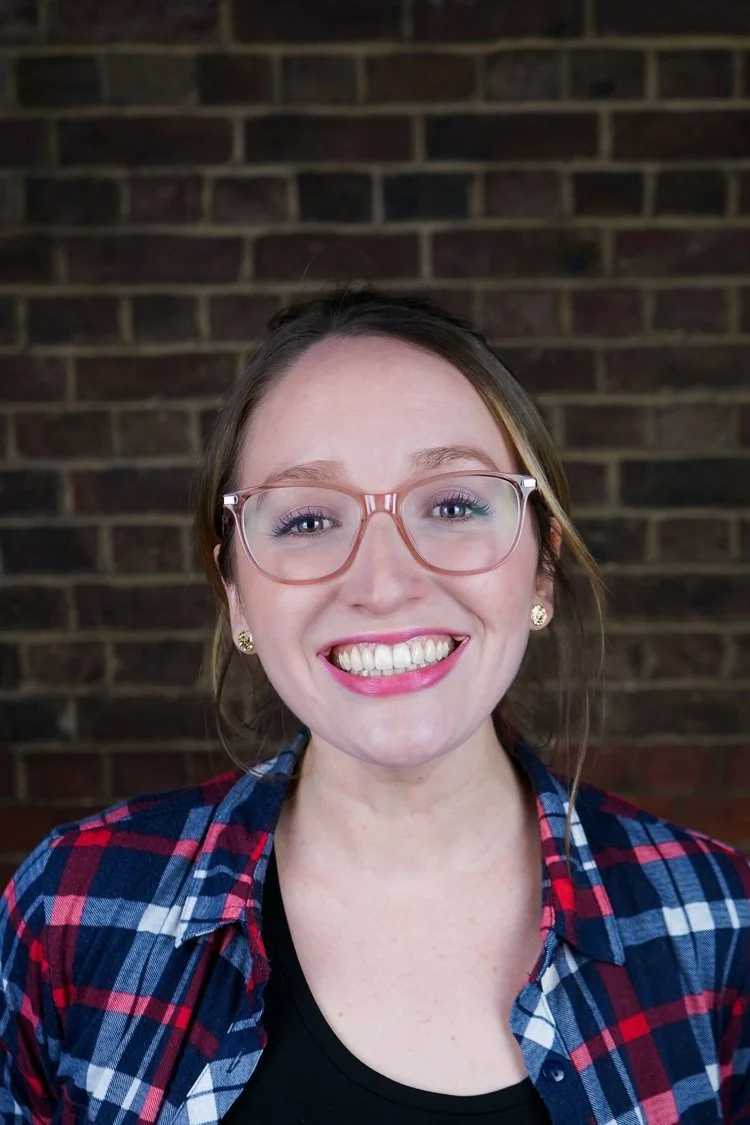
Abi MacPherson, Drew Enos, and Kate Ayliffe are our Associate Pastors. Under the guidance of the elders, they support Josh as the Lead Pastor, teaching and leading teams, tending to the needs of the church in a practical way throughout the week
-
Within ministries, we have designated Key Leaders who carry the culture of the church through teaching and leading under the leadership of their direct ministry leader
-
Our Trustees oversee the governance of the church
-
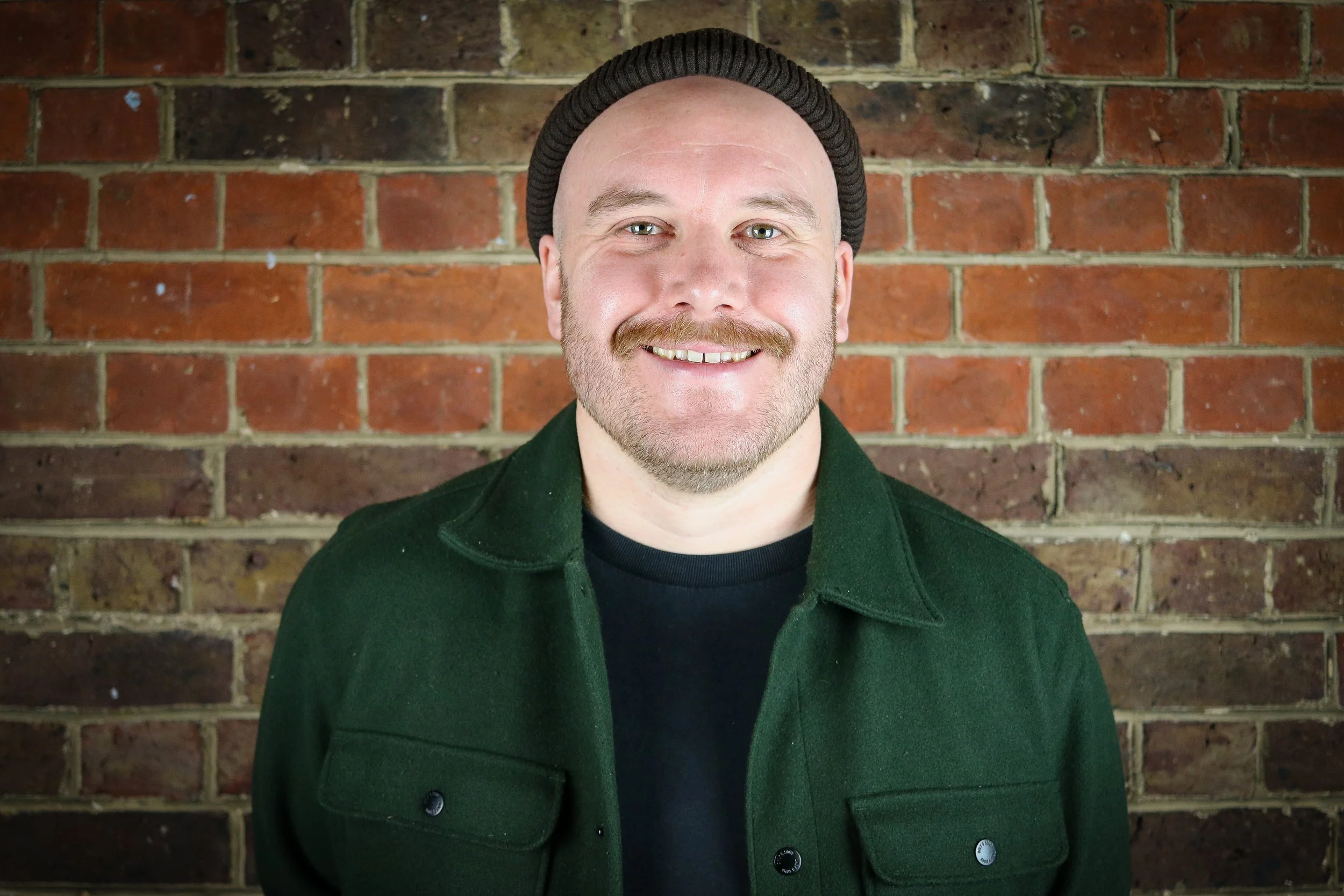
Josh Binstead is our lead pastor. He functions as a ‘first amongst equals’ within the group of Elders, and is present in every Trustees’ meeting. As the Lead Pastor, Josh sets the cultural vision for the church, overseeing the function of Sundays, and leading the team of pastors who lead teams
-
For each of our ministries, there is an appointed leader who will communicate with their individual team, setup rotas, and communicate. Ministry Leaders serve under the management of an Associate Pastor
Leadership Structure
Meet Our Team
-
Josh Binstead
Lead Pastor
-
Abi MacPherson
Associate Pastor Connections
-
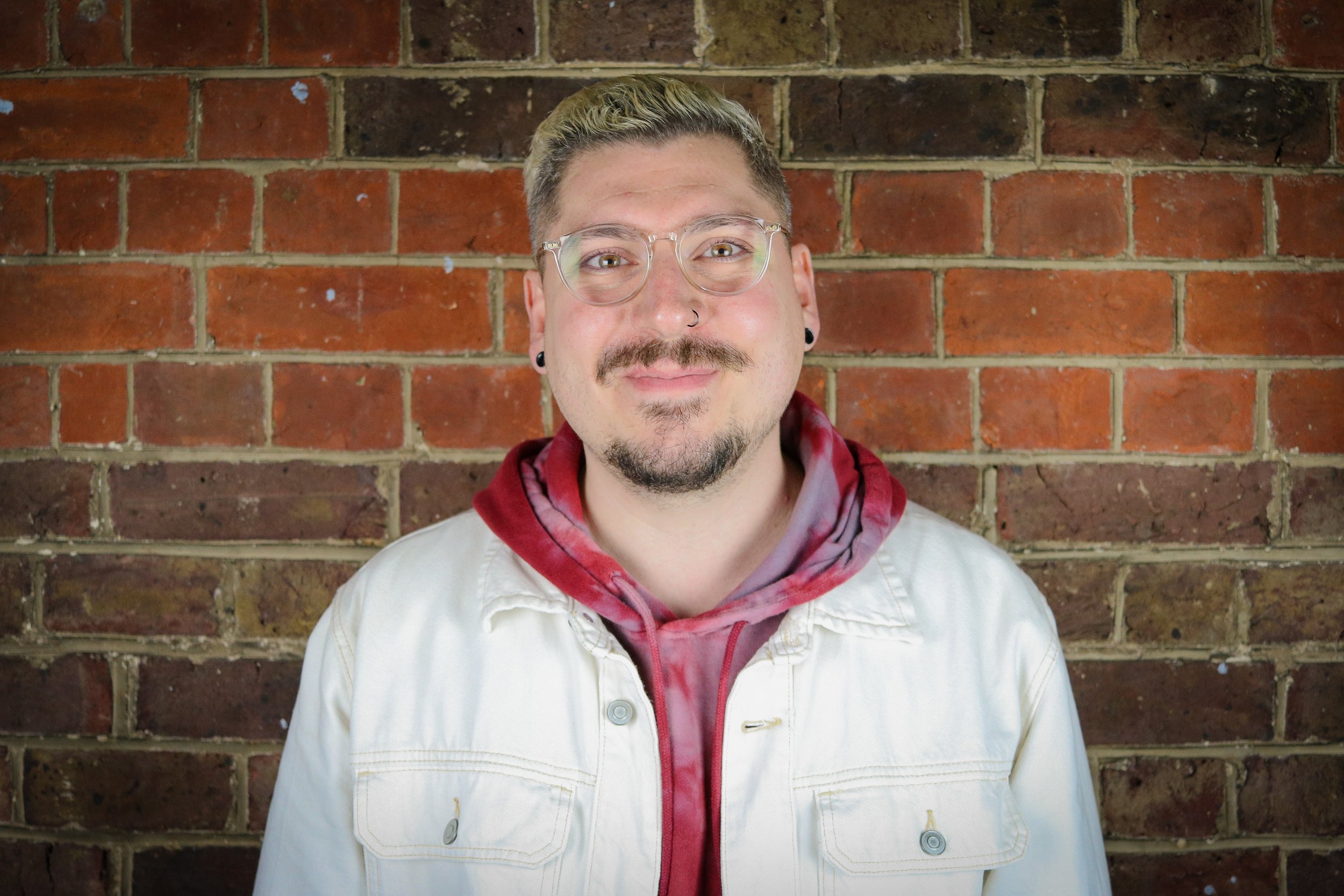
Drew Enos
Associate Pastor Community
-
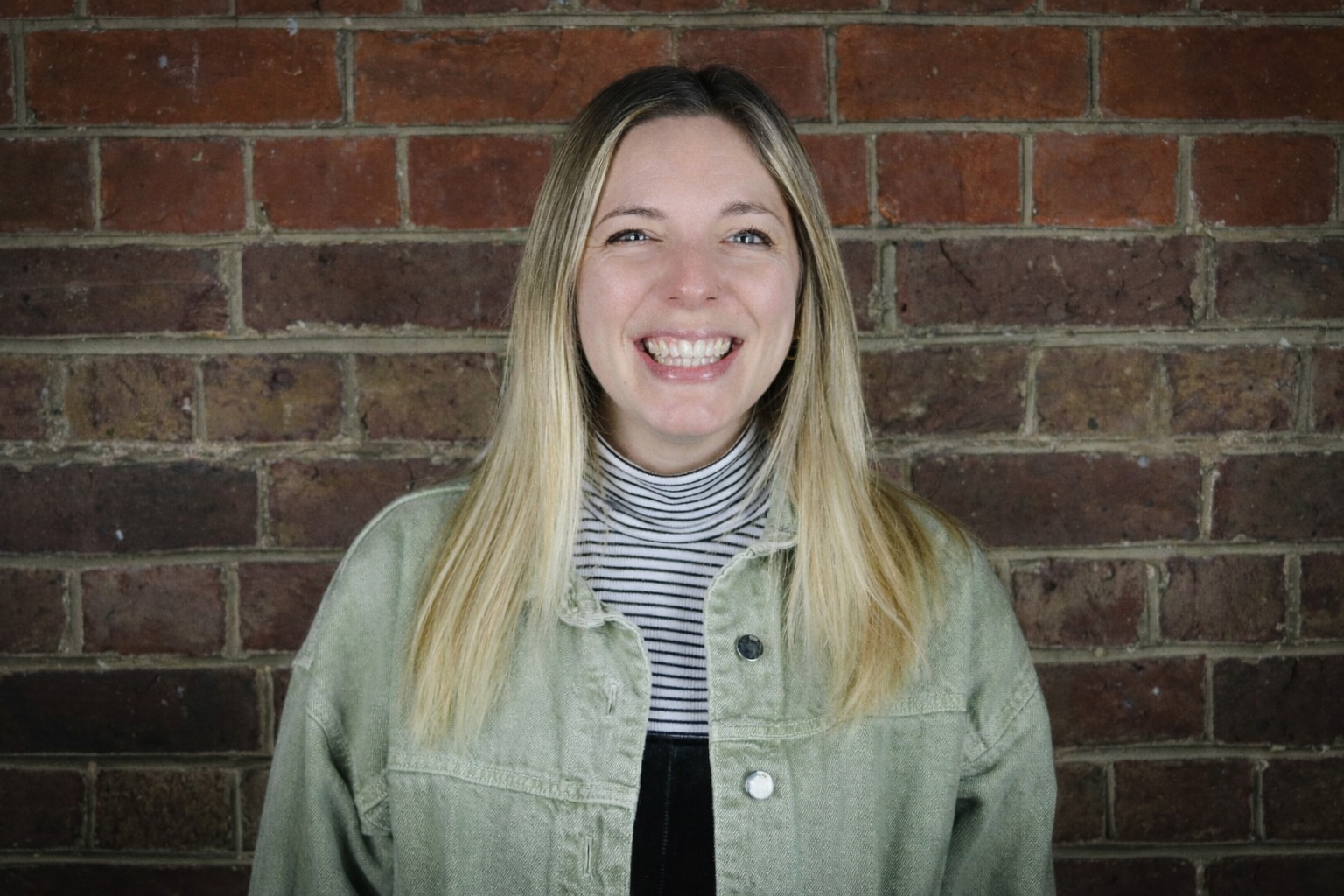
Kate Ayliffe
Associate Pastor Rising Generations
-
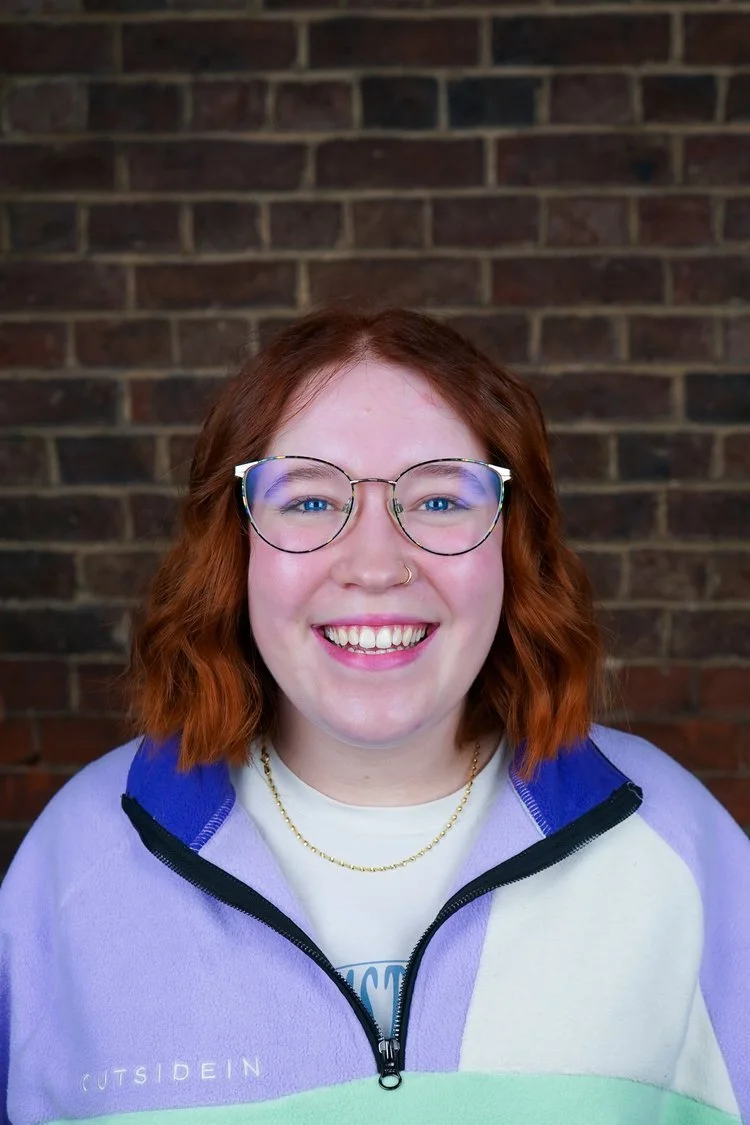
Abby Cole
Youth Worker
-

Jackie Peters
Hope Team
-
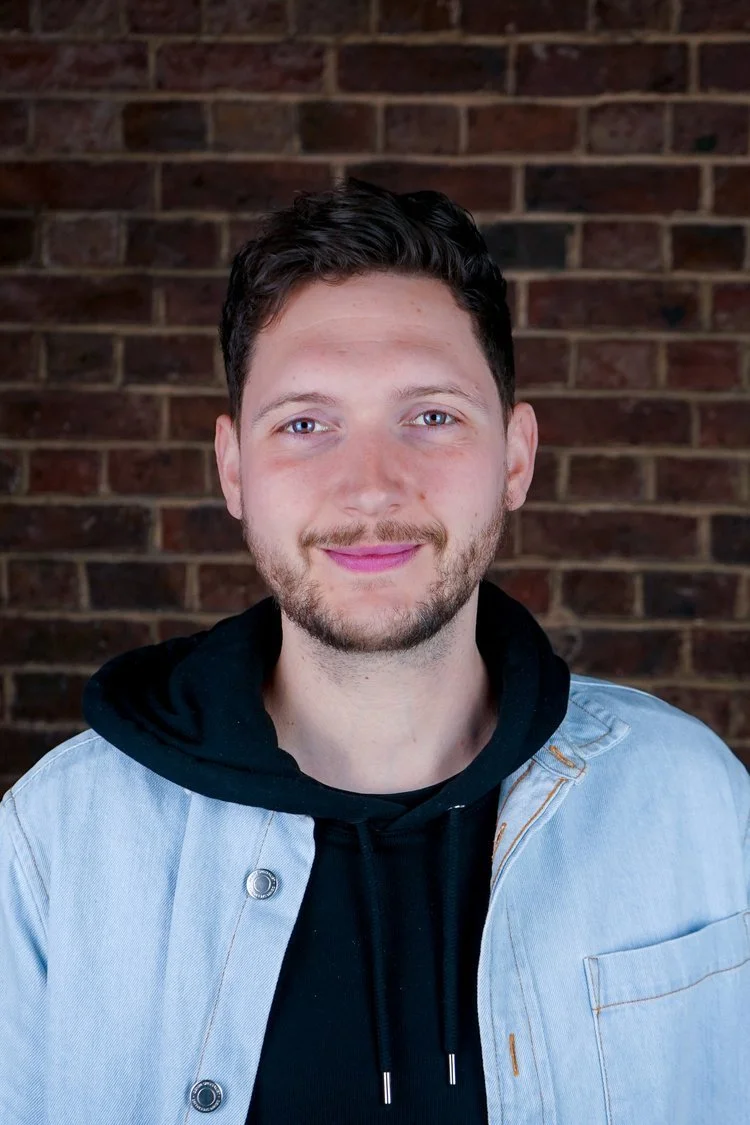
Jimmy MacPherson
Hope Manager
-
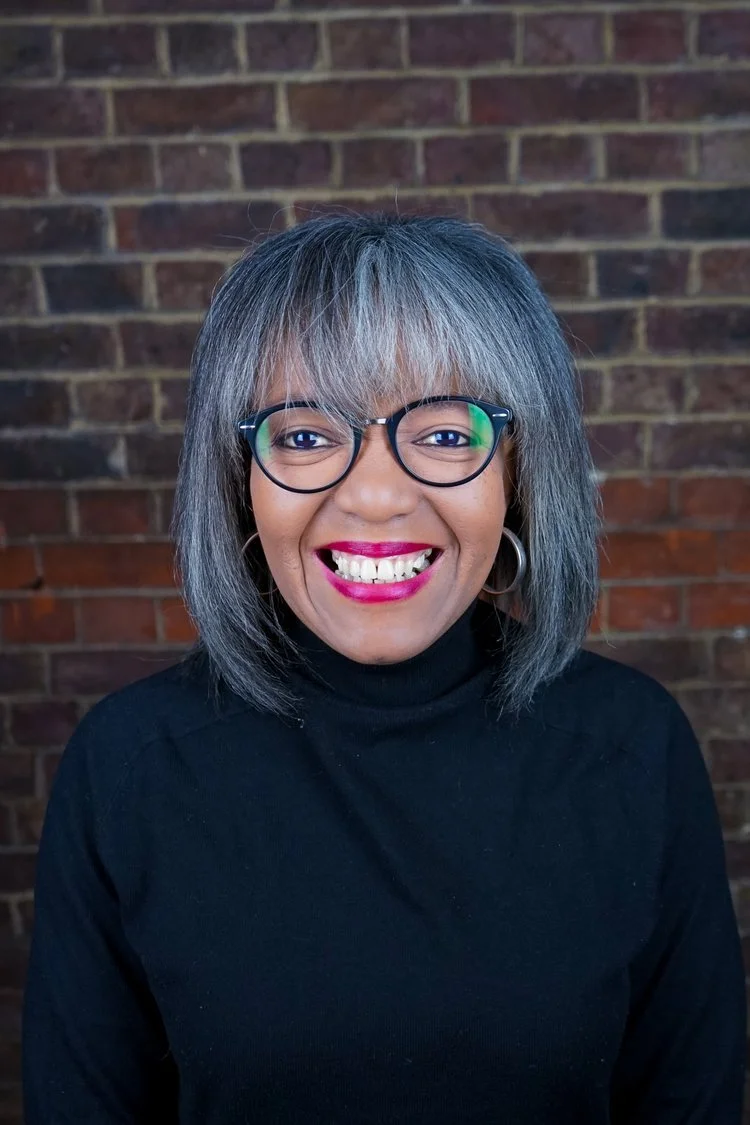
Juliet Gillespie
Hope Hub & RoC Coordinator
-
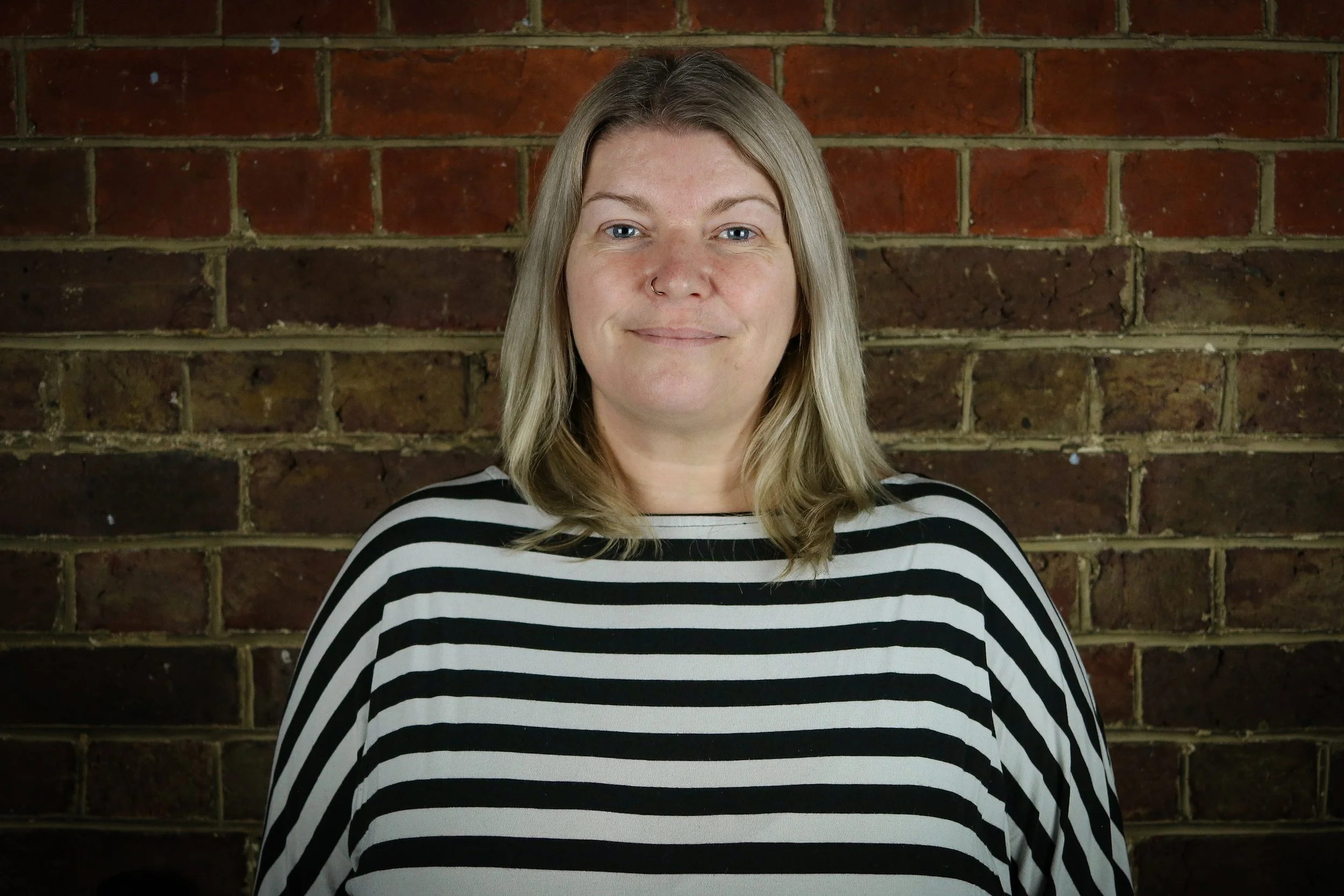
Leanne James
Foodbank Manager
-

Maze Smith
Hope Hub & Foodbank Administrator
-

Merven Gillespie
Building Manager
-
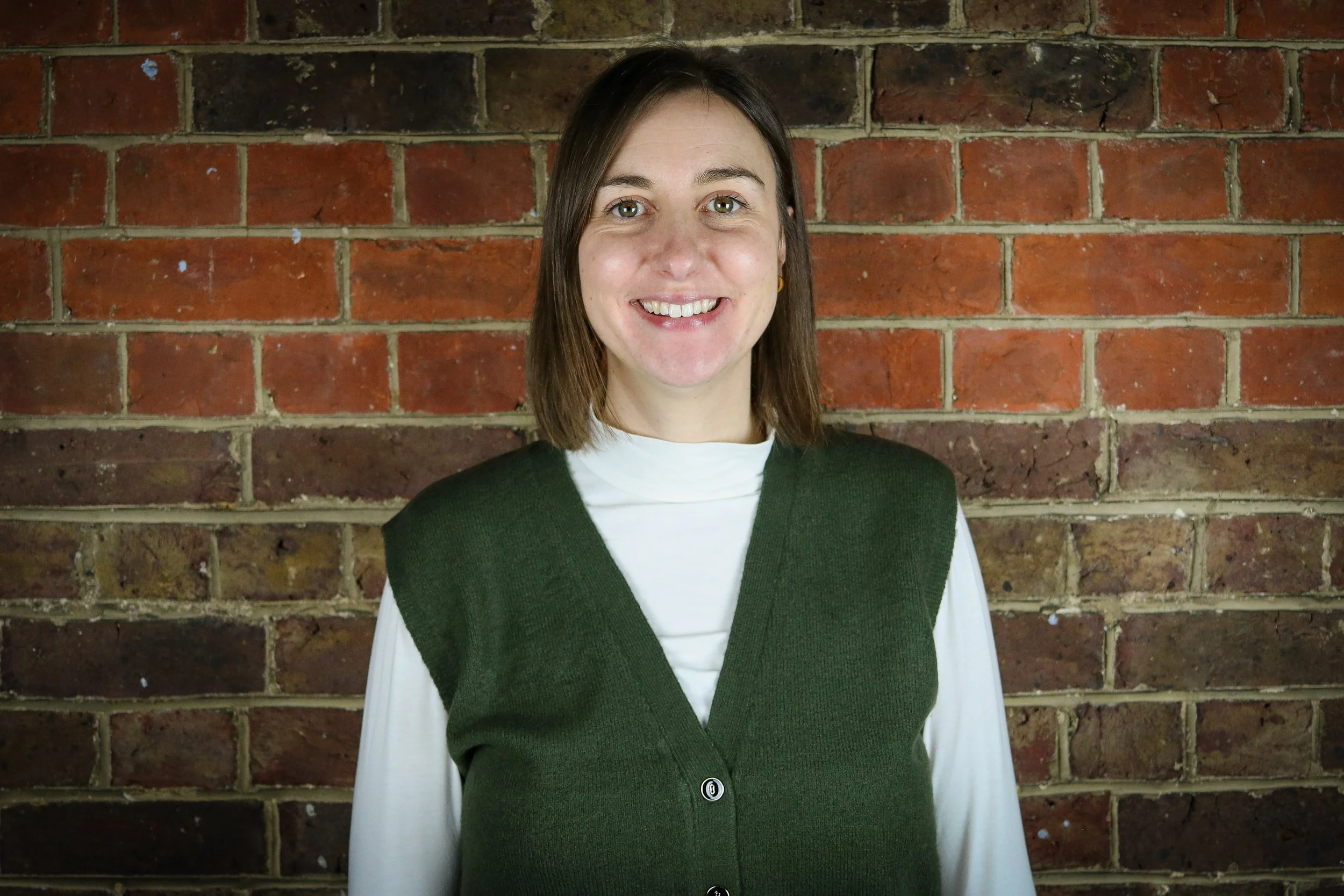
Ruthie Binstead
Worship Pastor